Loading…
Ancient Magdala
A Real Place in the World of the Gospels
Archaeology helps us encounter the Jewish and Galilean setting in which Jesus lived and ministered.
Become a GuardianA First-Century Lakeside Town
Ancient Magdala was a thriving settlement on the western shore of the Sea of Galilee. Its harbour, market areas, ritual baths and other remains illuminate the social, commercial and religious life of Galilee in the first century.
The Synagogue and the Magdala Stone
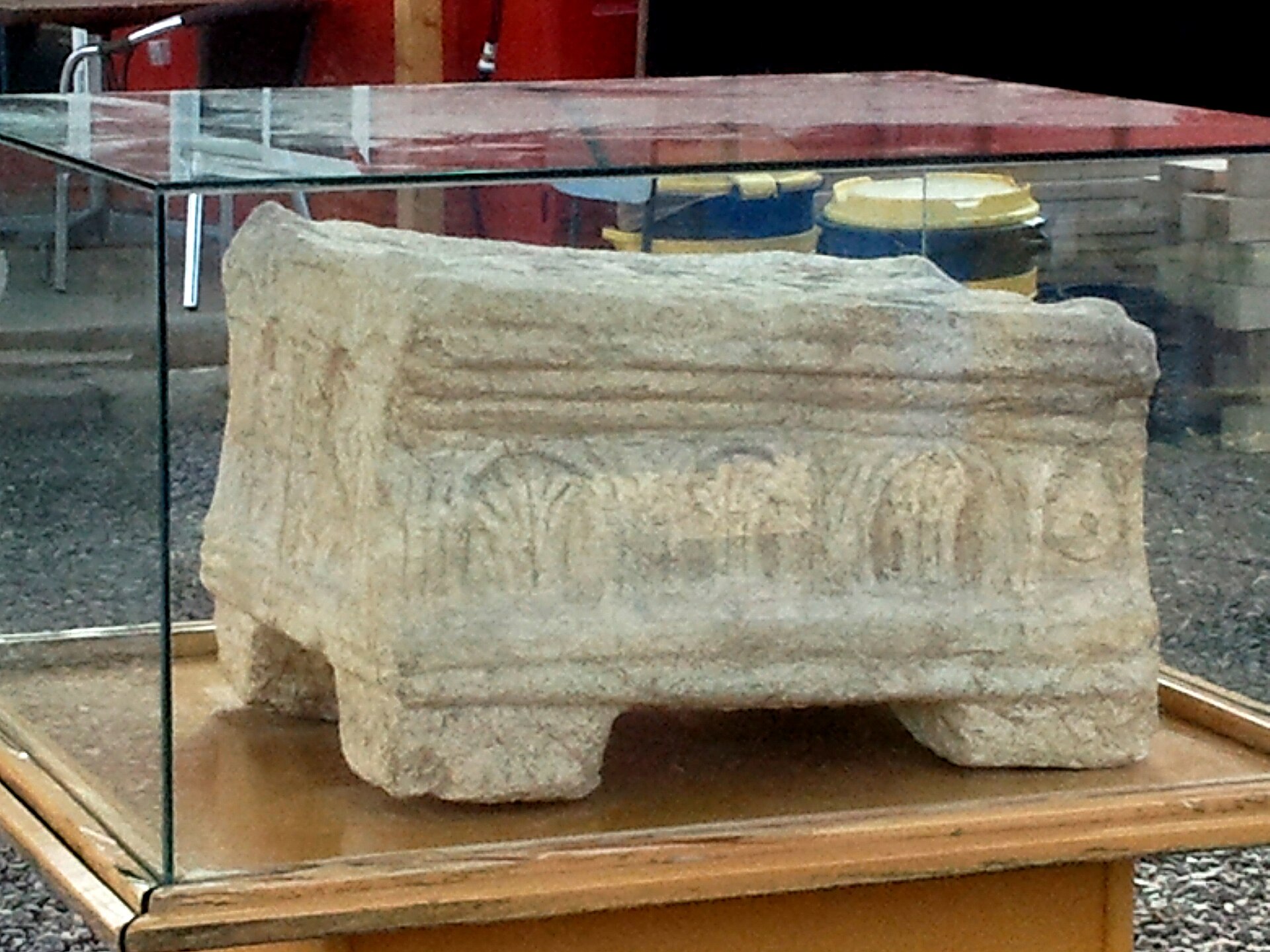
In 2009, archaeological work at Migdal uncovered a first-century synagogue dating to the Second Temple period. Within it, archaeologists found the carved Magdala Stone, whose imagery includes a menorah and symbols associated with the Jerusalem Temple. The discovery offers an unusually vivid window into Jewish worship during the lifetime of Jesus.
What We Can Say Responsibly
The finds show that this was an active Jewish community in the first century. Because the Gospels describe Jesus teaching in synagogues throughout Galilee, the site helps visitors imagine the world in which He preached. Unless supported by direct evidence, however, we should not state as fact that Jesus taught in this particular synagogue or that Mary Magdalene worshipped there.
Beside the Waters He Walked Upon
From Magdala’s shore, the Sea of Galilee fills the horizon. These are the waters associated with Jesus’ calling of disciples, calming of the storm and walking on water. The exact locations of several events are unknown, but the landscape itself is unmistakably the landscape of the Gospels.
Protecting Gospel Heritage
Stewardship preserves more than stones. It protects a setting in which Scripture, history and archaeology meet. By becoming a Guardian, you help keep this heritage accessible and remembered for believers everywhere.
Become a Guardian
Help keep the archaeology of Magdala and the landscape of the Gospels accessible and remembered for believers everywhere.